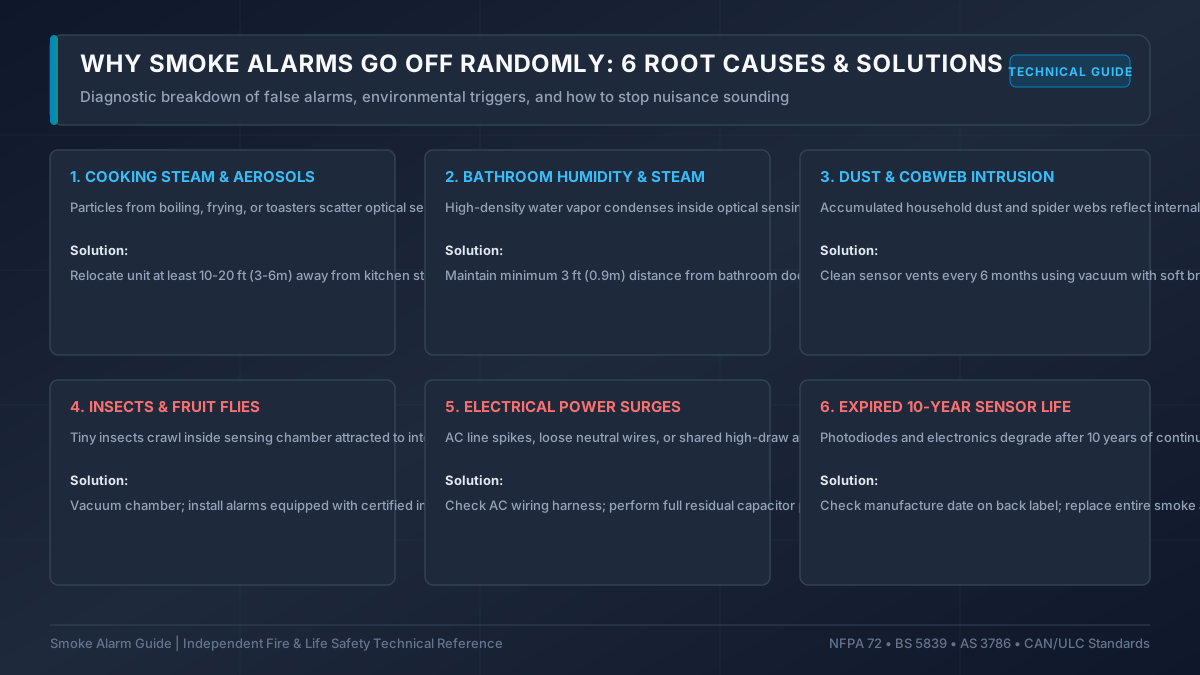
When a smoke alarm repeatedly sounds full alarm sirens without apparent cause, isolating whether the problem is environmental, mechanical, or electrical stops false triggers permanently.
Step-by-Step Diagnostic Sequence
- Isolate the Initiating Unit: In a hardwired network, all alarms sound together when one triggers. Look for the single alarm with a rapidly pulsing red LED. This is the unit triggering the system.
- Thorough Vacuum Cleaning: Remove the initiating alarm and vacuum all perimeter openings using a soft brush hose. Dust buildup on optical diodes is the single most common cause of random activations.
- Check for Environmental Interference: Ensure the unit is not directly in the path of ceiling fan drafts, HVAC supply vents, or unsealed attic ceiling penetrations that blow insulation dust into the casing.
- Inspect Wiring Connections: On hardwired systems, check the orange or yellow interconnect wire. A loose wire nut or stray ground contact can send intermittent voltage spikes down the signaling line.
- Replace Expired Hardware: If the alarm is older than 10 years or continues triggering after cleaning and rewiring, the sensing chamber has failed. Replace the alarm.