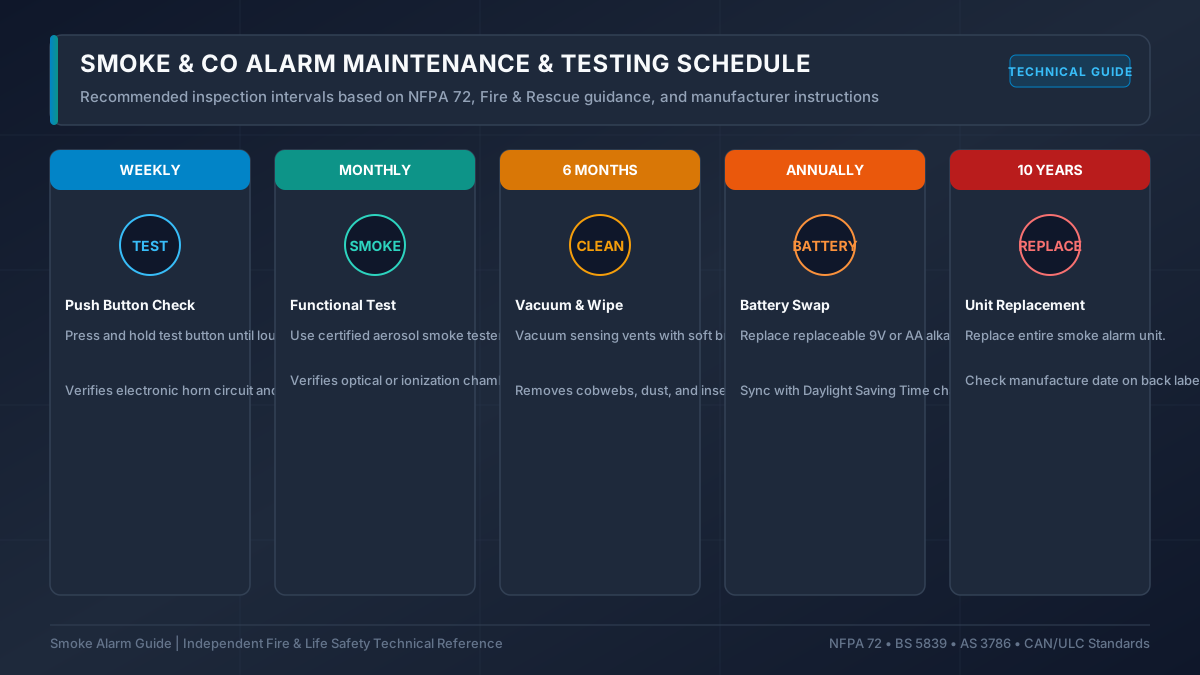
Test smoke alarms monthly using the integrated Test button, clean sensor vents semi-annually with a vacuum, replace non-sealed batteries annually, check battery and sensor condition, and replace all smoke alarms completely every 10 years from their manufacture date.
Standardized Inspection Cadence & Equipment Guide
Standard Maintenance Cadence:
• Monthly: Push-button test on every unit in the house.
• Semi-Annually (Spring/Fall): Vacuum dust and cobwebs from exterior vents.
• Annually: Replace standard 9V/AA alkaline batteries (or whenever low-battery chirps begin).
• Every 10 Years: Replace the entire smoke alarm with a brand-new certified model.
Adhering to a regular maintenance schedule ensures smoke alarms function when needed and prevents middle-of-the-night low-battery chirps.
Recommended Maintenance Frequency Table
| Maintenance Task |
Recommended Cadence |
Procedure & Key Focus |
| Push-Button Test |
Monthly |
Press and hold Test button per manufacturer instructions; confirm audible signal |
| Sensor Vent Vacuuming |
Semi-Annually (every 6 months) |
Vacuum exterior grilles using a soft brush attachment |
| Battery Replacement |
Annually (unless 10-yr sealed) |
Install fresh unexpired 9V or AA alkaline batteries |
| Aerosol Functional Test |
Annually |
Dispense 1-second burst of UL simulated smoke to test optical chamber |
| Complete Unit Replacement |
Every 10 Years |
Discard old alarm; install new certified model |
Important Safety Guideline
Working smoke alarms cut the risk of dying in a residential fire in half. Routine monthly testing is the single most effective maintenance task.
Printable Maintenance Tracking
Download our free printable smoke alarm inspection log to track monthly tests, battery changes, and expiration dates for your household or rental properties.