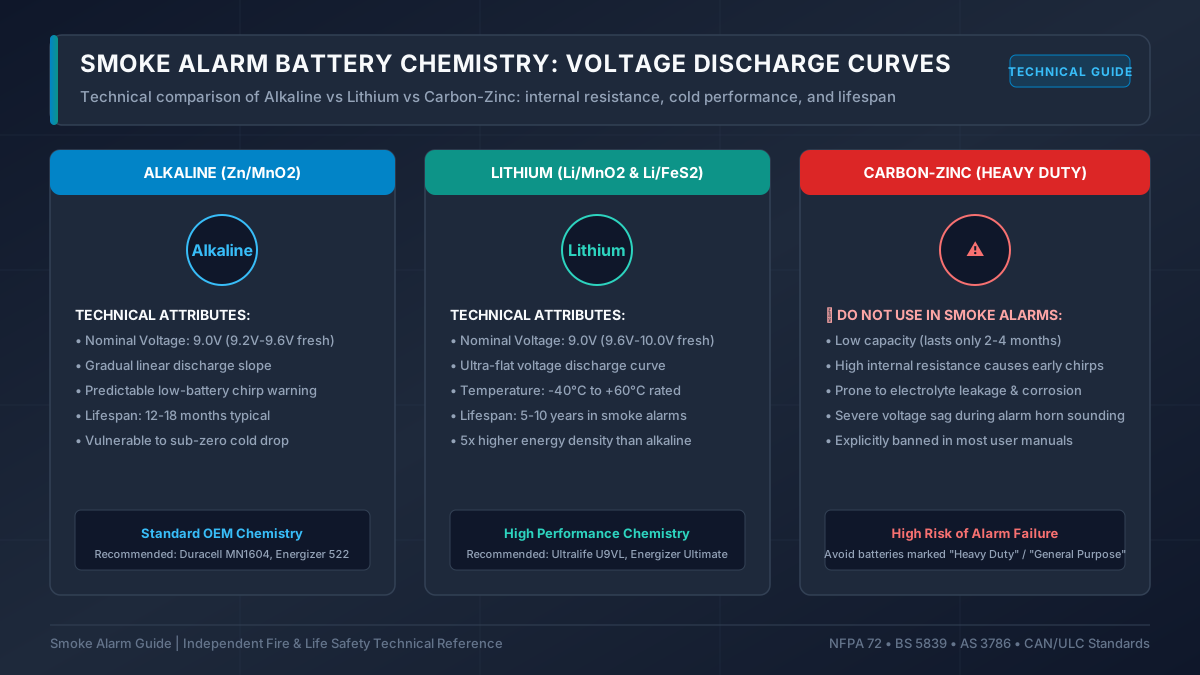
Choosing the correct battery chemistry ensures your smoke alarms maintain steady voltage and sound full 85 dB horns during an emergency.
Battery Chemistries & Performance Characteristics
| Battery Type | Chemistry | Nominal Voltage | Expected Life | Best Applications |
|---|---|---|---|---|
| 9V Alkaline | Zinc-Manganese Dioxide (Zn/MnO2) | 9.0V (fresh ~9.5V) | 1 to 2 years | Standard residential battery alarms; AC backup slots |
| 9V Lithium | Lithium-Manganese Dioxide (Li/MnO2) | 9.0V (fresh ~9.8V) | 5 to 10 years | High cathedral ceilings; rental properties; cold rooms |
| AA / AAA Alkaline | Alkaline multi-cell series (2x or 3x) | 3.0V to 4.5V series | 1 to 3 years | Modern smart alarms and compact wireless alarms |
| 10-Year Sealed | Internal Lithium Metal / LiFePO4 | 3.0V or 9.0V internal | 10 years | Tamper-resistant compliance; jurisdictions requiring 10-yr cells |
Why Rechargeable Batteries Are Generally Prohibited
Standard rechargeable nickel-metal hydride (NiMH) batteries have a nominal voltage of only 1.2V per cell (vs 1.5V for alkaline) and exhibit a very rapid self-discharge curve. In a smoke alarm, a rechargeable cell can drop from operating voltage to dead within days, causing unexpected chirps without sufficient reserve power to sound the alarm.